Tarkarli Homestay Investment: The Actual Rental Math (2026)

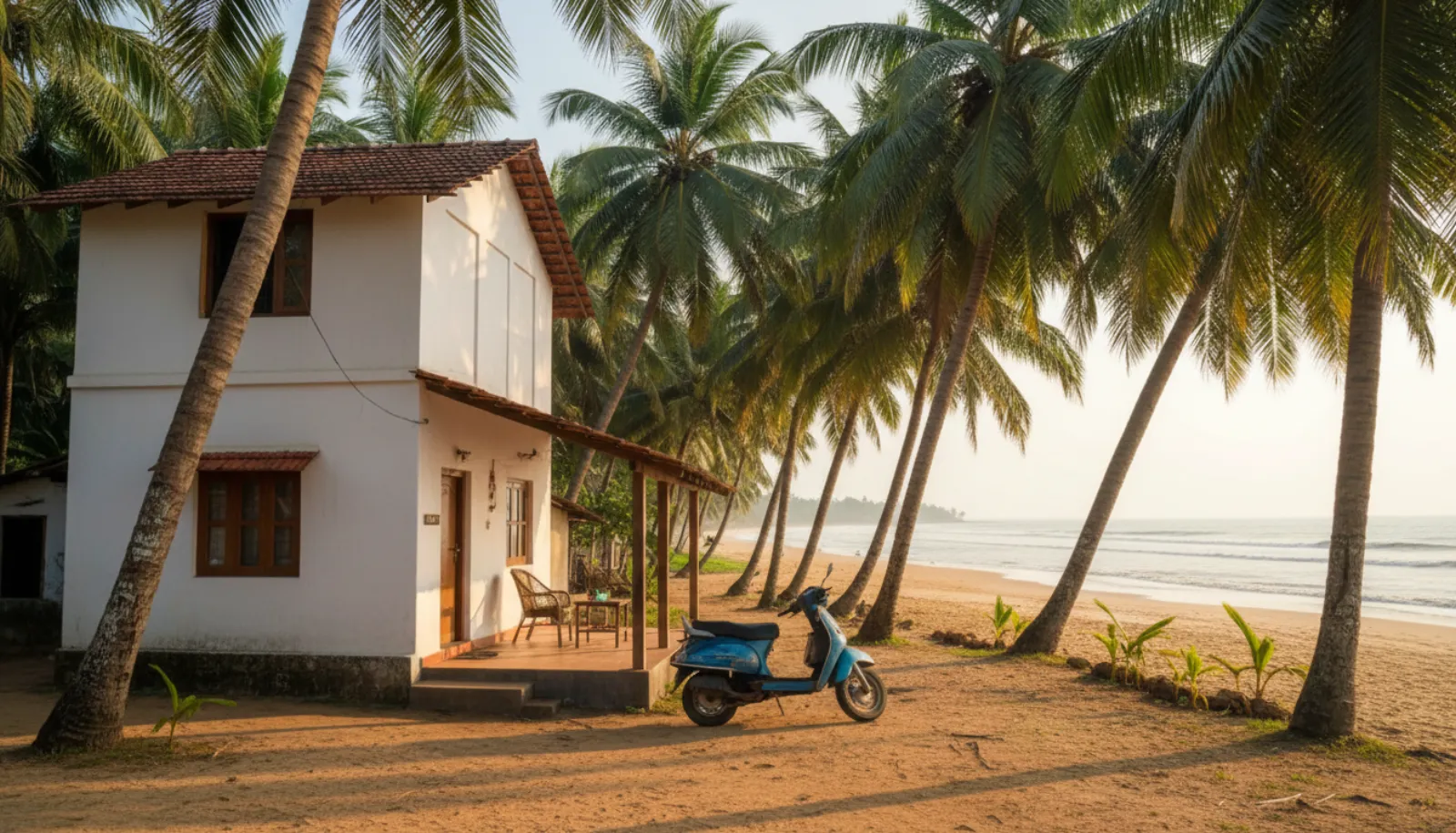
A well-run homestay near Tarkarli beach can plausibly net 8–15% on total invested capital (land + build) at current nightly rates — the low end managed, the mid-teens owner-operated — but only if you underwrite the number the brochures skip: the monsoon shuts the market down for roughly a third of the year. Tarkarli is a seasonal coastal economy, and the yield story lives or dies on the eight good months.
Our Tarkarli buyers guide covers whether a plot can legally be built on at all — read it first, because no rental math survives an unbuildable plot. This guide is the revenue side: what rooms actually fetch, when they fill, and a worked example from land purchase to net yield.
What Tarkarli Rooms Actually Fetch (2026)
Live listing data across booking portals puts the Tarkarli homestay market in these bands:
| Tier | Typical nightly rate | What it is |
|---|---|---|
| Budget non-AC homestay room | ₹800–1,500 | Fan rooms in village homes, shared spaces |
| Standard AC homestay / guesthouse | ₹1,500–3,000 | The bulk of inventory; portal average sits ~₹1,700 |
| Beach-adjacent AC with food | ₹3,000–5,000 | Walkable to the beach, home-cooked Malvani meals |
| Premium cottage / small resort room | ₹5,000–10,000+ | Sea/backwater views, resort-style amenities |
Rates are listing prices from booking portals (Aug 2026 snapshot) — peak weekends run higher, monsoon discounting runs deep. Treat as the planning band, not a guarantee.
Two structural notes buried in that table:
- Food is part of the product. Tarkarli's homestay economics lean heavily on Malvani meal packages — kitchen revenue can add 20–30% on top of room revenue for family-run operations, at good margins. Purpose-built rooms without a kitchen story compete only on price.
- The market is fragmented and cheap to enter — which caps pricing power. There is no supply moat at the standard tier; the premium tiers (view, food, scuba tie-ins) are where differentiated rates live.
The Occupancy Curve: Scuba Season, Not Summer
Tarkarli's demand calendar is the inverse of a hill station and different again from a religious-tourism market like Haridwar:
| Period | Driver | Realistic occupancy |
|---|---|---|
| Oct–Nov | Post-monsoon opening, Diwali travel, watersports restart | 55–75% |
| Dec–Jan | Peak: Christmas/New Year, best sea visibility for scuba | 75–90%+, peak pricing |
| Feb–May | Steady season: scuba/snorkelling, Sindhudurg Fort footfall, summer holidays (Apr–May strong) | 55–75% |
| Jun–Sep | Monsoon: watersports suspended, ferries curtailed, many operators simply close | 10–30%, deep discounts |
Blend that honestly and a competently marketed property lands around 50–60% annual occupancy — the good-eight-months at 65–80% and the monsoon near-zero. Any pro-forma quoting 70%+ annual occupancy for Tarkarli is annualising the season.
The scuba economy is the anchor: Tarkarli/Malvan is Maharashtra's scuba capital (the MTDC-promoted dive belt off Sindhudurg Fort), and dive-season visibility (Oct–May) is the tourism season. That also means the demand base is activity-led weekenders from Mumbai/Pune — short stays, weekend-skewed, rate-sensitive midweek.
Worked Example: Land + Build, 4-Key Homestay
Using the belt's own price data (full table in the Malvan price guide):
| Item | Amount | Basis |
|---|---|---|
| Land: 5 gunthas, Tarkarli mid-tier NA | ₹50L | ₹10L/guntha, beach-road pocket, CRZ-cleared |
| Transaction costs (~6.5%) | ₹3.25L | Stamp duty + ZP cess + registration |
| Build: 4 AC rooms + owner unit + kitchen (~2,000 sq ft) | ₹40–45L | ₹2,000–2,200/sq ft Konkan build cost |
| Total invested | ~₹95L | |
| Revenue: 4 keys × ₹2,500 avg × 55% × 365 | ~₹20L gross/yr | Rooms only |
| Meals uplift (20%) | +₹4L | Malvani kitchen, conservative |
| Operating costs (staff, utilities, OTA commissions 15–25%, upkeep) | −₹9–11L | ~40–45% of revenue |
| Net operating income | ~₹13–15L | |
| Net yield on capital | ~13–15% owner-operated; ~8–10% with a manager | The manager's cut and slippage is the difference |
The single most sensitive line is who runs it. Owner-operated (or family-operated) homestays keep the kitchen margin and skip management fees — that is where the mid-teens number comes from, and it is a business return, not passive yield. Hand it to a caretaker-manager and leak occupancy, and you converge on 8–10% — still ahead of metro residential lets, but earned against seasonality risk.
The CRZ Shortcut: Buy the Old House, Not the Plot
One structural insight follows directly from the belt's CRZ rules: inside restricted zones, repair and reconstruction of existing authorised structures is permitted where new construction is not. That makes an existing village house with clean title and an authorised footprint — renovated into a homestay — the only legal route to operating close to the water in pockets where vacant plots are unbuildable. The premium for verified old structures near the beach reflects exactly this. It is also the faster route: renovation puts you in operation in months, not the years a land-plus-build takes.
Caveats that keep this honest: "authorised existing structure" is a documentary test (sanctioned footprint, not an encroachment), reconstruction must stay within the existing envelope, and gaothan-category property brings the community-title questions covered in the Devbag guide.
What Can Go Wrong (Priced In vs Not)
- Priced in above: monsoon shutdown, OTA commissions, weekend skew, manager slippage.
- Not priced in — check yourself: homestay registration under Maharashtra's tourism policy (register with MTDC; unregistered operations risk local enforcement), water security in May, the thin midweek market outside holidays, and a Chipi airport restart that stays suspended (upside optionality, not base case — the demand today drives in on NH66 or flies to Mopa).
- The comparison that matters: a Dehradun-style leisure second home runs 30–40% occupancy on weekends only; Haridwar's religious market runs year-round. Tarkarli sits between — a genuine season, a genuine shutdown. Size the debt (if any) so the eight good months carry twelve months of costs.
Frequently Asked Questions
What is the rental yield on a homestay in Tarkarli?
Roughly 8–15% net on total invested capital, with the range driven by who operates it: owner-run 4-key properties with a meals offering can reach the mid-teens; manager-run properties converge on 8–10%. That is a seasonal business return — around 50–60% blended annual occupancy with a near-shutdown monsoon — not a passive rental.
How much does it cost to set up a homestay near Tarkarli beach?
About ₹90L–1.1Cr for the land-plus-build route: ₹40–60L for a CRZ-cleared mid-tier NA plot (5 gunthas), ~6.5% transaction costs, and ₹40–50L for a 4-room build with kitchen. Renovating an existing authorised village house can cost materially less and start earning sooner — and inside CRZ-restricted pockets it is the only legal route.
What is the best season for Tarkarli tourism?
October to May, anchored on the scuba/watersports season — with the December–January peak (best dive visibility, holiday travel) commanding the year's highest rates, and April–May summer holidays a strong second wind. June–September is the monsoon: watersports suspend and much of the market closes.
Is Tarkarli better than Goa for a homestay investment?
Different game. Goa entry costs are 10–20× per guntha with year-round demand and deep liquidity; Tarkarli offers a fraction of the entry price, a genuine (if seasonal) demand base, and thin exit liquidity. Tarkarli rewards operators — people who will run or closely supervise the property — rather than passive buyers seeking Goa-style appreciation. For the buy-side comparison, see Sindhudurg vs North Goa.
Do I need a licence to run a homestay in Maharashtra?
Register the property as a homestay/bed-and-breakfast with MTDC under Maharashtra's tourism policy, and comply with local gram-panchayat requirements (property tax classification, water/electricity commercial usage where applicable). Registration is inexpensive relative to enforcement risk, and MTDC listing itself carries marketing value in this belt.
The Bottom Line
Tarkarli's homestay math works — at operator economics, on the eight good months, on a plot (or existing structure) that has already cleared the CRZ test. The sequence is unforgiving in one direction only: buildability first (the buyers guide), price sanity second (the price guide), and only then this revenue model. Run it backwards — falling for a pro-forma before verifying the plot — and the yield you bought is on paper only.
Read Next
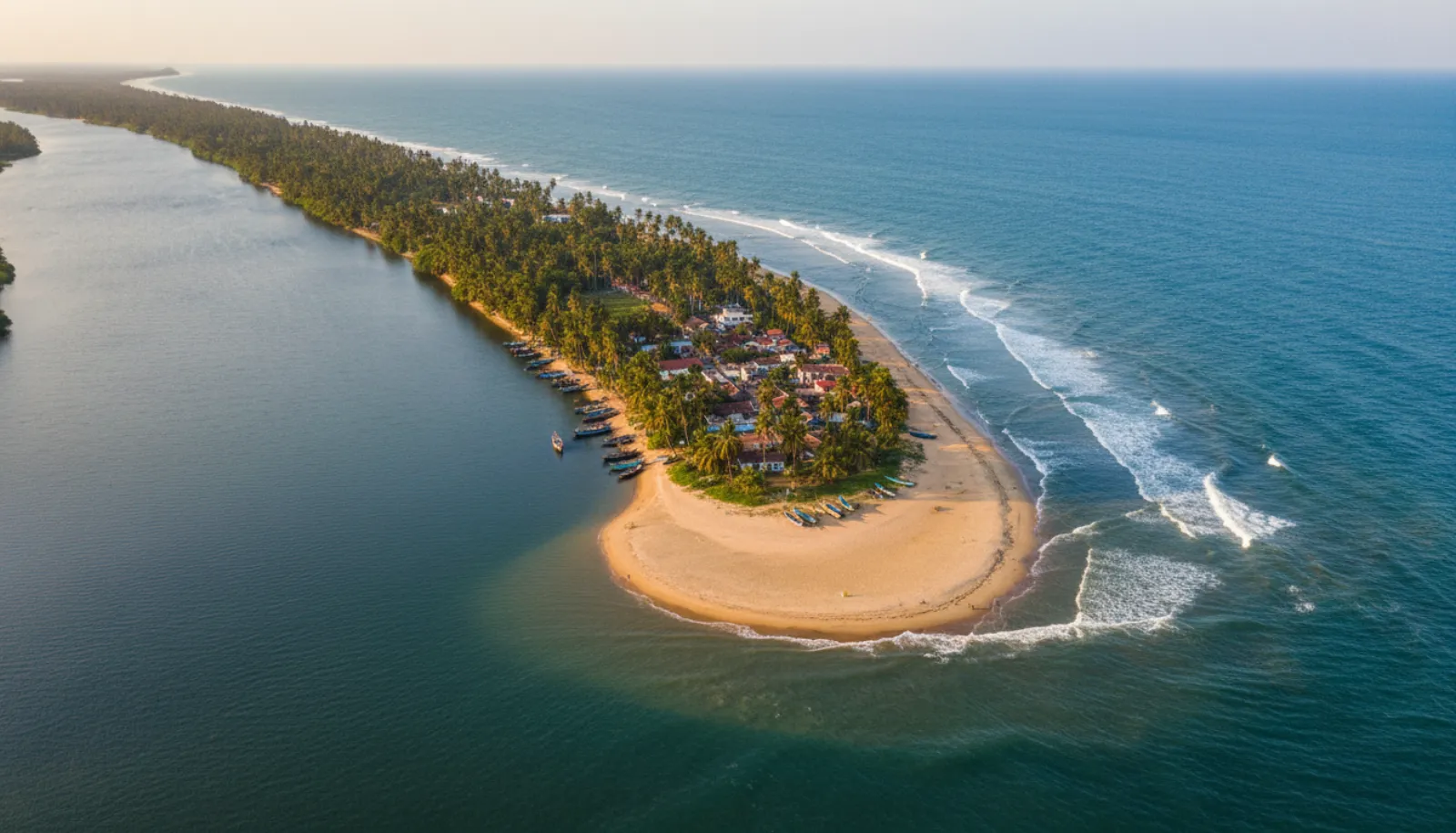
Devbag Land Buyers Guide 2026: The Sangam Peninsula Problem
Devbag is the most scenic — and most legally constrained — land pocket in the Tarkarli belt. What the triangular sangam peninsula means for CRZ setbacks, what plots actually cost, gaothan and mangrove traps, and when Devbag beats Tarkarli.
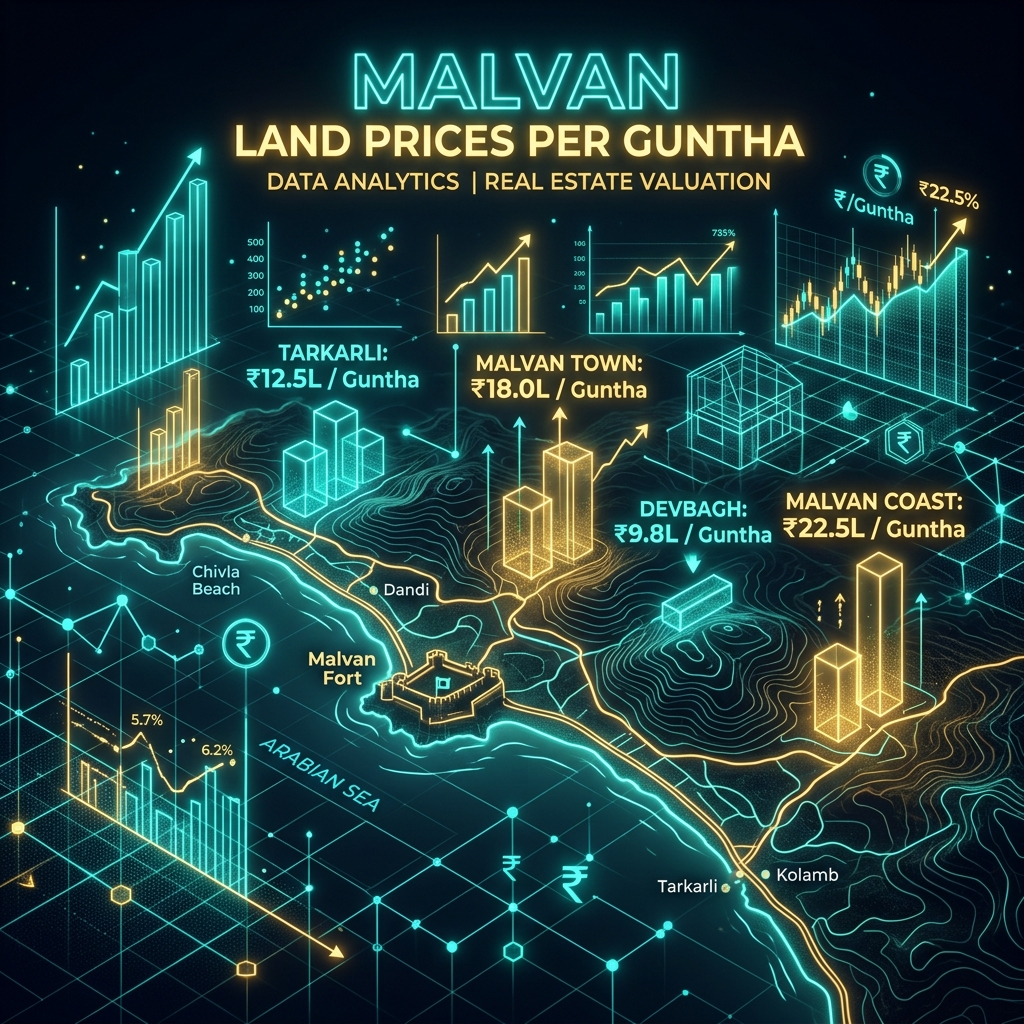
Malvan Land Price Per Guntha in 2026: Tarkarli, Devbag, and What You Actually Pay
What NA plots near Tarkarli beach, Devbag backwater, and Malvan town cost per guntha in June 2026 — open-market data by pocket, the Wairy agricultural anomaly, how prices compare to Vengurla, and the stamp-duty line item most buyers get wrong.

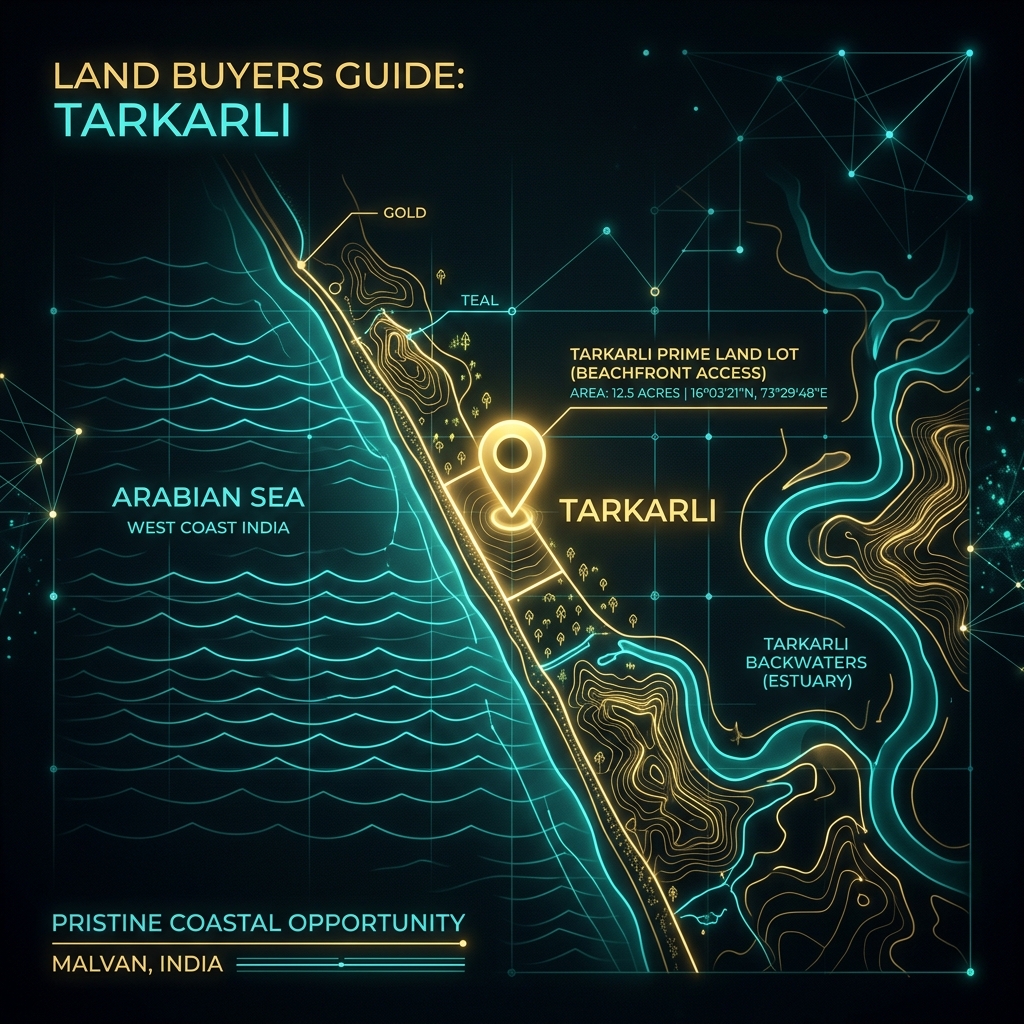
Buying Land Near Tarkarli Beach: The 2026 Buyers Reality Check
Tarkarli's narrow spit between the Arabian Sea and the Karli estuary creates a dual CRZ exposure most sellers won't mention. What NA plots actually cost, what the 2025 NA law change means for rural plots, and how to verify whether a beach-facing plot is actually buildable.